
Mullet with Fringe: 5 Trending Haircut Ideas for Men in 2026
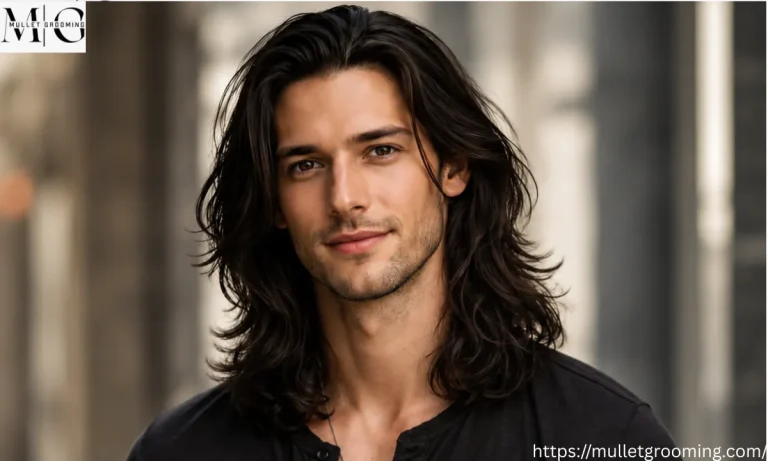
The mullet with fringe is a modern take on the classic mullet, featuring short sides, a textured top, and a fringe that creates a more balanced, stylish look. Its versatility makes it suitable for different face shapes, hair types, and lifestyles.
In this guide, you’ll discover 5 mullets with fringe styles, learn which variation suits you best, how to ask your barber for the perfect cut, and the best tips for styling and maintenance.
What Is a Mullet with Fringe?
A mullet with fringe combines the classic mullet’s short sides and longer back with a forward-styled fringe (bangs) that frames the face. This modern variation replaces the slicked-back 1980s look with a more stylish, balanced appearance. The fringe adds structure, enhances different face shapes, and gives barbers flexibility to customize texture and length, making it a popular choice for men seeking a modern, well-groomed mullet haircut.

Why the Mullet with Fringe Is Trending in 2026
A few things are driving this haircut’s popularity right now.
Low-maintenance styling. A textured fringe mullet often needs nothing more than a quick tousle with a matte paste. No blow-dryer, no precision parting.
Face-framing benefits. A fringe softens strong jawlines, balances longer foreheads, and adds visual width to narrower faces, something a plain mullet doesn’t always do.
Celebrity and athlete influence. Musicians, footballers, and streamers have brought the mullet back into mainstream men’s style, and the fringe update keeps it from looking dated.
Customization. Between fade height, fringe length, and texture, no two mullet-fringe cuts have to look the same. That flexibility is a big part of the appeal.
5 Best Mullet with Fringe Haircut Ideas
Finding the right mullet with fringe depends on your hair type, face shape, and personal style. Below are five of the most popular variations, each offering a unique look with its own styling benefits.
1. Modern Mullet with Textured Fringe
The modern mullet with a textured fringe is one of today’s most popular hairstyles. Choppy layers on top create natural volume, while the fringe softly frames the forehead for a relaxed, effortless finish. Combined with tapered or faded sides, this version suits straight, wavy, and thick hair while delivering a stylish everyday look.

2. Faded Mullet with Fringe
The faded mullet with fringe blends clean barbering with modern texture. A high or skin fade creates sharp contrast on the sides, making the textured fringe and longer back stand out. This haircut is ideal for men who want a bold style that still looks neat and polished.

3. Short Mullet with Fringe
The short mullet with fringe offers a subtle approach to the trend. The shorter back and tidy sides keep the haircut professional, while the fringe adds enough texture to make it feel modern. It’s an excellent option for first-time mullet wearers and anyone looking for an easy-to-maintain hairstyle.

4. Long Mullet with Fringe
A long mullet with fringe creates a relaxed, rock-inspired appearance. The extended fringe blends naturally into the longer back, adding movement and personality. This variation works best on medium to thick hair and gives you plenty of styling flexibility.

5. Wavy Mullet with Fringe
Natural waves bring extra texture and volume to a mullet with fringe, creating an effortlessly stylish finish. The soft fringe pairs perfectly with layered hair, while a taper or burst fade adds a clean, modern touch. It’s a great choice for men who want a fashionable look with minimal styling effort.

How to Choose the Right Mullet-Fringe Combo for Your Face Shape
Not every version of this cut works the same way on every face. Here’s a quick guide.
Round faces: A tapered or faded mullet with a slightly longer, side-swept fringe adds length and angles, avoiding extra width.
Square faces: A textured fringe softens a strong jawline. Pair it with a mid-fade for balance.
Oval faces: Almost every variation works here. A classic modern mullet with textured fringe is a safe, flattering choice.
Long faces: A straight, blunt fringe cuts visual length and keeps the face from looking stretched. Avoid a micro fringe, which can expose too much forehead.
Heart-shaped faces: A rounded mullet with a soft, wavy fringe balances a wider forehead and narrower chin.
Hair Type Matters as Much as Face Shape
Straight hair holds sharp fringe lines and clean tapers well, making it ideal for the more structured variations like the tapered mullet or short straight fringe.

Wavy hair adds natural texture, which works especially well with the messy or textured fringe styles, less product, more movement.

Curly hair benefits from a longer fringe that’s allowed to sit naturally rather than a blunt cut, since curls shrink up when they dry.

Thick hair can carry heavier texture and longer fringe lengths without looking flat, while fine hair often looks fuller with a shorter, blunter fringe.

How to Ask Your Barber for This Cut
Bringing a photo helps, but describing the cut clearly gets you a better result. Tell your barber:
- The fade or taper height you want on the sides (skin fade, mid fade, or taper)
- How much length to leave on top and at the back
- Whether you want the fringe blunt (straight-cut) or textured (razored or point-cut)
- The fringe length: above the brow, at the brow, or past it
A good barber will also check your hair’s natural growth pattern and cowlicks before cutting, since these affect how the fringe will sit once it’s dry.
Styling and Maintenance Tips
Use the right product for your fringe type. Matte paste or clay gives texture and hold without shine, ideal for most fringe styles. A light pomade works better for sleeker, straighter fringes.
Dry the fringe forward. Use a round brush or your fingers while blow-drying to train the fringe to fall forward instead of back.
Trim the fringe more often than the rest. The fringe grows into your eyes faster than the sides or back grow out. Many men trim it themselves every 2–3 weeks between full haircuts.
Book touch-ups every 4–6 weeks. This keeps the fade or taper sharp, which is what makes the mullet-fringe combo look intentional rather than overgrown.
Wash less, style more. Overwashing strips natural oils that help the fringe hold its shape and texture throughout the day.
Common Mistakes to Avoid
- Growing the whole head out evenly. A mullet with fringe needs contrast between the short sides and longer top/back. Even growth flattens that effect.
- Skipping the fringe trim. Letting it grow past the eyes changes the whole balance of the cut and can look unintentional.
- Choosing a fringe length without checking your forehead size. A too-short fringe on a long forehead, or a too-long fringe on a short forehead, throws off the proportions.
- Using too much product. Overloading a textured fringe with gel or wax kills the movement that makes it look modern.
Frequently Asked Questions
Is a mullet with fringe still in style in 2026?
Yes. It’s one of the most requested barbershop cuts right now, driven largely by its versatility and low styling effort compared to older mullet styles.
Does a mullet with fringe suit every face shape?
Most face shapes can wear some version of it. The fringe length and fade height are usually adjusted based on face shape rather than avoiding the cut altogether.How often do I need a haircut to maintain this style?
Every 4–6 weeks for the full shape, with fringe trims every 2–3 weeks if you want it kept short and out of your eyes.Can women wear a mullet with fringe?
Yes. The women’s version typically includes more layering throughout and a softer, face-framing fringe rather than a blunt one.
What’s the difference between a fringe and regular bangs on a mullet?
In practice, the terms are used interchangeably in the US. “Fringe” is more common in UK and Australian barbershops, while “bangs” is the more familiar US term, but both describe hair styled forward over the forehead.
Does this haircut work with curly or wavy hair?
Yes, and it often looks better with natural texture. Curly and wavy hair adds volume and movement to the fringe without extra styling.
Is the mullet with fringe hard to maintain at home?
Not particularly. Daily styling is usually just a small amount of paste or clay worked through damp hair, plus regular trims to keep the fringe length in check.
Final Thoughts
The mullet with fringe earns its popularity because it solves the biggest problem with the classic mullet: balance. The fringe gives the cut structure, softens the face, and turns a once-divisive style into something genuinely wearable in 2026, whether you want it faded and sharp, textured and messy, or somewhere in between.
The best way to find your version is to start with your face shape and hair type, pick two or three styles from this list that match, and bring them to a barber who can adjust the details to fit you specifically. A cut this customizable rewards a little planning before you sit in the chair.