Korean Mullet: 25 Best Haircut Ideas for Men (2026 Guide)
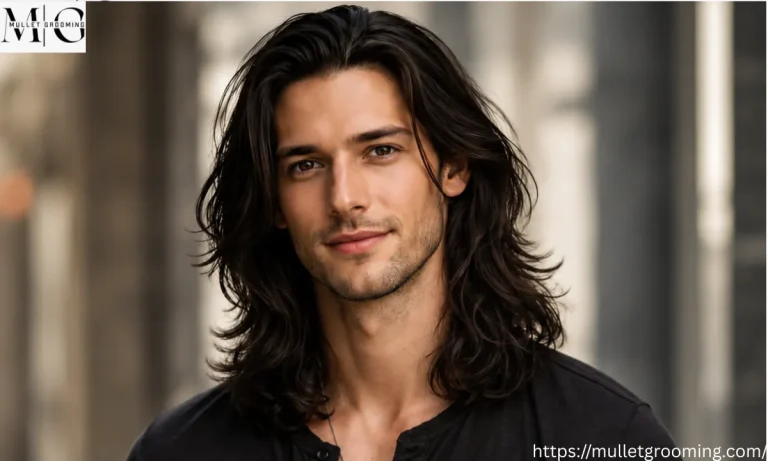
The Korean Mullet is a modern take on the classic mullet, featuring soft layers, a longer fringe, and smooth transitions instead of sharp contrasts. The result is a stylish, natural-looking haircut that feels fresh, versatile, and easy to wear.
Inspired by K-pop, Korean dramas, and street fashion, this Mullet has become one of the most popular men’s hairstyles in 2026. This guide covers everything you need to know, including the best styles, barber tips, styling techniques, maintenance, and how to choose the right look for your hair type and face shape.
What Is a Korean Mullet?

A Korean Mullet is a layered hairstyle with shorter hair on the top and sides and a longer back, creating the signature mullet shape through soft, blended layers instead of sharp contrasts. This gives the haircut a natural, modern appearance with plenty of movement.
Its defining features include a longer fringe or curtain bangs, textured layers, and smooth transitions throughout the cut. Influenced by the wolf cut and two-block hairstyle, this Mullet offers a stylish, effortless look that suits a wide range of hair types and face shapes.
History and Evolution of the Korean Mullet
The Korean Mullet evolved from South Korea’s modern men’s hairstyle trends, which emphasize soft layers, natural movement, and a polished finish. As K-pop, Korean dramas, and street fashion gained global popularity during the 2010s and 2020s, hairstyles like the two-block cut and wolf cut inspired a new, modern version of the mullet.
By the early 2020s, this Mullet had become a worldwide trend thanks to its layered texture, longer fringe, and effortless styling. Today, it’s one of the most requested men’s haircuts, combining contemporary barbering techniques with a fashionable, easy-to-wear look.
Why the Korean Mullet Is Trending
K-pop and Korean drama reach. Korean entertainment has unprecedented global distribution through streaming platforms and social media. The hairstyles worn by male idols and actors are directly visible to hundreds of millions of viewers worldwide, and the styling tends to be exceptionally deliberate and trend-forward.
The wolf cut’s mainstream moment. The wolf cut exploded in popularity between 2021 and 2024, and the Korean mullet is its closest male-coded relative. Men who searched for wolf cut content and barbershop interpretations frequently landed on this mullet results.
A different relationship with gender in style. The Korean k-pop mullet’s fluid, gender-neutral quality has found significant resonance in a generation of men who are less constrained by traditional masculinity in grooming. Its softness and expressiveness read as confidence rather than ambiguity.
Heavy layering is fashionable. The broader trend toward layered, textured hair in men’s styling has created an audience perfectly primed for the Korean K-pop mullet’s emphasis on movement and dimension.
It works across hair types. Unlike some mullet variations that specifically suit particular textures, the Korean mullet is genuinely adaptable. Straight, wavy, and curly hair all suit the style, often with minimal modification to the core approach.
Key Features of a Korean Mullet Haircut
Every Korean mullet shares several defining structural and aesthetic characteristics:
- Front fringe or curtain bangs: Longer than in most Western mullet styles, often falling to the eyebrows or below. The fringe is a visual anchor for the entire cut.
- Heavy internal layering: Layers throughout the sides, top, and back create movement and prevent any section from sitting flat or heavy.
- Soft transition: The move from the shorter crown area into the longer back is gradual rather than abrupt. There is no hard line between sections.
- Longer back section: Typically sits between collar and shoulder, though shorter and longer variations exist. The back section is the style’s most recognizable element.
- Movement-first styling: The Korean K-pop mullet is finished with products that enhance movement and texture rather than hold and structure. The hair is meant to flow and shift rather than stay fixed.
- Overall fluidity: The entire cut reads as a single moving shape rather than a collection of distinct sections. This is the quality that most clearly separates the Korean K-pop mullet from its Western counterparts.
Best Korean Mullet Hairstyles
Modern Korean Mullet

The modern Korean mullet is the most current interpretation of the style, incorporating up-to-date layering techniques and finishing products. The fringe is long but not heavy, the back section flows freely, and the overall shape is balanced between structure and movement. This is the most commonly requested version in international barbershops today.
Soft Korean Mullet

The soft mullet emphasizes gentleness in every element. The layers are lighter, the back section falls with minimal volume, and the overall impression is romantic and understated. This version suits men with finer hair or those who want a more subtle expression of the style. It photographs particularly beautifully in natural light.
Textured Korean Mullet

The textured mullet introduces deliberate dimension throughout the cut. The layers are more pronounced, the ends are point-cut for extra texture, and the styling uses matte products to enhance the tactile quality of the hair. This version has a slightly edgier, more fashion-forward character than the soft version.
Layered Korean Mullet

Layering is central to every Korean Layered mullet, but the layered mullet makes it the primary focus. The layers are visible and distinct throughout the cut, creating clear movement from the fringe through the sides and into the back section. This version suits men with thick hair who need significant weight removal to allow the hair to move naturally.
Short Korean Mullet

The short mullet keeps the back section close to the nape, creating a more conservative and accessible version of the style. The fringe and layering remain prominent, but the overall cut requires less commitment and maintenance than medium or long versions. This is an excellent starting point for men new to the Korean short mullet.
Long Korean Mullet

The long mullet extends the back section well past the collar, sometimes reaching the shoulders. At significant length, the Korean long mullet’s layering and movement qualities become even more apparent. This version has a genuinely striking presence and suits men comfortable with high-impact styling.
Medium Length Korean Mullet

The medium length Korean mullet is the most popular variation globally. The back section sits between the collar and mid-neck, providing visible impact without the maintenance demands of the long version. The layering creates natural movement at this length that requires minimal daily styling to maintain.
Curly Korean Mullet

The curly Korean mullet adapts the style’s soft, layered principles to naturally curly hair. The layers are cut to work with the curl pattern rather than against it, and the result is a voluminous, expressive cut where the curls add significant personality to the fringe and back section. Moisture management is important for maintaining the look.
Wavy Korean Mullet

The wavy Korean mullet is one of the most naturally suited variations. Wave texture moves in a plane that complements the Korean mullet’s emphasis on flow and direction. The layers enhance wave definition, and the overall result requires very little product to look intentional and complete.
Straight Korean Mullet

The straight Korean mullet gives the style its most precise, graphic quality. With straight hair, the layers and fringe fall with particular clarity, and the back section has a smooth, flowing quality that reads as deliberately sleek. A light serum enhances shine and keeps the straight back section from looking flat.
Korean Mullet Fade
Adding a fade to a Korean mullet sharpens the sides significantly and creates a stronger contrast with the longer top and back. This is a more Western-influenced interpretation that blends Korean layering technique with the clean side definition of a barbershop fade. It suits men who want the Korean aesthetic with more structural definition on the sides.
Taper Fade Korean Mullet
The taper fade applies a gradual, polished fade to the sides of a Korean mullet. The result is cleaner and more professional than a natural side finish but softer than a skin fade. The taper fade Korean mullet balances the fluidity of the Korean style with a neat, workplace-appropriate side treatment.
Korean Mullet with Fringe
The fringe is already a core feature of the Korean mullet, but the Korean mullet with fringe variation specifically emphasizes it. The fringe is longer, fuller, and more deliberately styled, often center-parted into curtain bangs or swept to one side with a slight wave or bend. The fringe becomes the focal point of the front section.
Two Block Korean Mullet
The two block is a Korean barbershop classic that involves closely cropped sides and longer hair on top. The two block Korean mullet extends the top section rearward, adding length at the back to create a mullet effect while retaining the two block’s characteristic side treatment. This is one of the most distinctly Korean interpretations of the mullet concept.
Wolf Cut Korean Mullet
The wolf cut and the Korean mullet are closely related and often discussed interchangeably. The wolf cut Korean mullet emphasizes extremely heavy layering throughout, a very prominent front fringe, and a shaggy, high-volume overall shape. It has the most textured and voluminous appearance of any Korean mullet variation.
K-Pop Korean Mullet
The K-pop Korean mullet is the version most directly inspired by the hairstyles of male K-pop idols. It tends to be more polished and precisely styled than street-influenced versions, with a glossy finish, a deliberately styled fringe, and a back section that flows smoothly. Product selection and styling technique are given more attention in this version, as K-pop styling tends to be highly visible and closely observed.
Best Face Shapes for a Korean Mullet
- Oval: The most versatile face shape. Any Korean mullet variation works. The fringe and layering add visual interest without disrupting balance.
- Round: The longer back section adds vertical length, and a light taper on the sides reduces width. Avoid very full, voluminous versions that add side width.
- Square: The soft layering and fringe of the Korean mullet naturally soften angular features. This is one of the best mullet styles for square faces.
- Heart: The prominent fringe adds weight at the forehead, balancing a broader brow against a narrower chin. The Korean mullet with fringe is an excellent fit.
- Oblong/Long: The layering adds width and volume at the sides, balancing a longer face. Avoid very long back sections that further extend the vertical line.
- Diamond: The fringe variation adds fullness at the forehead and temples, balancing the widest point of a diamond face shape.
Best Hair Types for a Korean Mullet
Straight hair (Type 1): Works beautifully. The layers fall with clean precision, and the fringe sits smoothly. A light serum or heat styling with a round brush brings out the best of this combination.
Wavy hair (Type 2): One of the most naturally suited hair types. Waves enhance the movement and flow that the Korean mullet style emphasizes. Minimal product is needed.
Curly hair (Type 3): Creates a voluminous, expressive Korean mullet. The barber must cut with the curl pattern in mind, and moisture management between washes is important.
Coily hair (Type 4): Achievable but requires a barber with specific experience in cutting the Korean mullet for coily textures. The layering approach and product routine differ significantly from straight or wavy hair.
Fine hair: The Korean mullet’s layering removes weight that would otherwise make fine hair look flat. The fringe and layered back section create the appearance of volume and dimension. Avoid heavy products.
Thick hair: Heavy internal layering is essential for thick hair to allow movement. Without it, thick hair at Korean mullet length sits heavy and shapeless. The layered and textured Korean mullet variations are ideal for thick hair.
How to Ask Your Barber for a Korean Mullet
The Korean mullet requires a barber who understands layering for movement, not just for texture removal. Here is how to communicate what you want:
- Bring multiple reference photos. Show the back section length, the fringe style, the layering approach, and the finish you want. Korean mullet references from K-pop or Korean street style accounts tend to be the most precise.
- Use the term Korean mullet explicitly. Most contemporary barbers will understand this term and its implications. If they look uncertain, the reference photos will clarify.
- Ask about the layering approach. Specifically ask whether they cut layers for movement rather than just for bulk reduction. The technique matters.
- Discuss the fringe. Specify how long you want the fringe to sit, whether it is center-parted, swept to one side, or left forward.
- Mention the transition. Ask for a soft, graduated transition between the sides and back rather than a hard line.
- Discuss your hair texture. The Korean mullet adapts to different textures, but the cutting approach changes. Make sure your barber understands your specific texture before they start.
Step-by-Step Styling Guide
What you need: A microfibre towel, a heat protectant, a round brush or diffuser depending on texture, a lightweight styling cream or mousse, and a finishing oil or serum.
Step 1: Wash with a moisturizing shampoo and a lightweight conditioner. The Korean mullet’s layering makes it prone to dryness at the ends, particularly in the back section.
Step 2: Towel dry gently. Scrunch out excess water with a microfibre towel rather than rubbing.
Step 3: Apply a lightweight styling cream or mousse through damp hair from roots to ends. Focus on the fringe and back section.
Step 4 (Straight hair): Use a round brush and blow-dryer on medium heat to add volume to the fringe and smooth the back section. Direct the airflow downward along the hair shaft for a sleek finish.
Step 4 (Wavy hair): Use a diffuser on low heat. Hold sections of the back section up into the diffuser to encourage wave formation. Allow to air-dry the final 20%.
Step 4 (Curly hair): Scrunch the back section upward with hands. Diffuse on low heat until 80% dry. Avoid touching while drying to prevent frizz.
Step 5: Style the fringe last. Push forward, part at the center, or sweep to one side depending on your chosen look. A light amount of product on fingertips can help direct the fringe without stiffening it.
Step 6: Apply a small amount of finishing oil to the palms and run lightly through the back section and fringe ends. This adds shine and tames any flyaways without weighing the hair down.
Best Hair Products for a Korean Mullet
| Product Type | Purpose | Best For |
| Moisturizing shampoo | Gentle cleansing that preserves layer integrity | All hair types |
| Lightweight conditioner | Softens without weighing layered hair flat | All hair types |
| Styling cream or mousse | Adds definition and light hold to fringe and back section | All hair types |
| Round brush | Creates volume and direction in fringe with blow-dryer | Straight and wavy hair |
| Diffuser | Enhances wave and curl definition without frizz | Wavy and curly hair |
| Finishing oil or serum | Adds shine, reduces frizz, tames flyaways | All hair types |
| Light-hold wax or paste | Adds texture and separation to the fringe | Straight and textured variations |
Avoid heavy pomades, strong-hold gels, or products that create stiffness. The Korean mullet is meant to move. Any product that restricts movement works against the style’s fundamental character.
Korean Mullet Maintenance Tips
Trim every 6 to 8 weeks. The Korean mullet’s layering is its most important structural element. As the hair grows, layers collapse and the movement quality degrades. Regular trims maintain the layering and keep the style performing as intended.
Deep condition every one to two weeks. The layering in a Korean mullet exposes more of the hair’s surface area, which increases moisture loss. A weekly or fortnightly deep conditioning mask keeps the ends healthy and the style looking intentional.
Protect the layers at night. A loose braid or pineapple-style gathering of the back section prevents the layers from tangling overnight. A satin pillowcase reduces friction and moisture loss.
Refresh between washes. On non-wash days, a light mist of water with a small amount of leave-in conditioner can refresh the fringe and back section without a full wash-and-style routine.
Avoid heavy heat exposure. The Korean mullet’s texture and movement qualities depend on healthy, undamaged hair. Daily heat styling at high temperatures gradually degrades both. Use heat protectant every time heat is applied, and keep tools on the lowest effective setting.
Work with your natural texture. The Korean mullet is one of the few hairstyles that genuinely looks better when it works with the hair’s natural direction and texture rather than fighting against it. Embrace what your hair wants to do and direct the styling in the same direction.
Korean Mullet vs Japanese Mullet
| Feature | Korean Mullet | Japanese Mullet |
| Overall aesthetic | Soft, fluid, romantic, gender-neutral | Precise, architectural, minimalist |
| Layering approach | Heavy throughout, emphasizes movement | Considered and exact, structural |
| Fringe style | Prominent, long, often curtain bangs | Often shorter or asymmetric |
| Transition between sections | Soft and graduated | Clean and deliberate |
| Finish | Natural, slightly undone | Polished, immaculate |
| Styling products | Lightweight creams, mousse, finishing oil | Light pomade, serum, wax |
| Primary influence | K-pop, Korean street style, wolf cut | Japanese precision barbering |
| Gender-neutral quality | High | Moderate |
| Volume | Higher, particularly in fringe and crown | Lower, cleaner silhouette |
| Suits straight hair | Yes | Yes, especially well |
| Suits wavy and curly hair | Yes, works across textures | Less commonly styled this way |
| Best for thick hair | Very good with layering | Good with controlled thinning |
| Workplace appropriateness | Moderate to high | High |
| Maintenance frequency | Every 6 to 8 weeks | Every 5 to 7 weeks |
Pros and Cons
Pros
- One of the most globally fashionable men’s hairstyles in 2026
- Works across a wide range of hair textures with appropriate modification
- The soft transition and heavy layering are forgiving of minor growing and styling variation
- Gender-neutral quality makes it genuinely versatile across personal expression preferences
- Suits most face shapes when the right variation is chosen
- Strongly promoted through K-pop and Korean entertainment channels, giving it significant cultural currency
- Photographs and films exceptionally well due to natural movement and layered dimension
Cons
- Requires a barber who genuinely understands layering for movement, not all do
- The heavy layering means the cut degrades faster than simpler styles as it grows
- Fine hair may struggle to maintain the volume and movement quality that defines the style
- The natural, movement-forward finish requires specific product knowledge to achieve consistently
- Some variations, particularly the wolf cut Korean mullet, may not suit conservative workplaces
- Maintaining the fringe length and shape requires attention between full trim appointments
Common Mistakes to Avoid
Choosing a barber unfamiliar with Korean barbershop technique. The layering approach in a Korean mullet is fundamentally different from standard Western layering. A barber who has not worked with Korean mullet references may produce something that looks like a layered haircut but lacks the movement quality that defines the style. Always check portfolios before booking.
Using heavy or stiff products. The Korean mullet’s defining quality is movement. Any product that holds the hair rigidly in place, including strong-hold gels, heavy pomades, or stiff waxes, works directly against the style. Stick to lightweight, movement-enhancing products.
Neglecting the fringe. The fringe is the front face of the entire cut. If the fringe grows out unevenly or is not maintained between full trim appointments, the overall style begins to look unkempt rather than intentional. A quick fringe tidy-up between trims is worth the effort.
Skipping deep conditioning. The Korean mullet’s layering exposes more hair surface to environmental damage, product buildup, and moisture loss. Skipping deep conditioning leads to dry, dull ends that undermine the flowing quality that makes the style attractive.
Fighting your natural texture. The Korean mullet is designed to work with natural texture rather than suppress it. Men who spend significant effort trying to make their wavy or curly hair behave like straight hair will always be working against the grain. Embrace the texture and let the layering do its job.
Requesting the style without reference photos. The Korean mullet covers a significant range of interpretations, from the polished K-pop version to the shaggy wolf cut version. Without reference photos, your barber is guessing. Always bring specific images.
Frequently Asked Questions
1. Is the Korean mullet the same as a wolf cut? They are closely related but not identical. The wolf cut is a specific style characterized by extremely heavy shag-like layering and high volume throughout. The Korean mullet is a broader category that includes the wolf cut as well as softer, more polished versions like the two block Korean mullet and the K-pop mullet. All wolf cuts are Korean mullets in spirit, but not all Korean mullets are wolf cuts.
2. Can men with straight hair get a Korean mullet? Yes, and straight hair suits the Korean mullet very well. The layers fall with clean precision in straight hair, and the fringe sits smoothly. A round brush and blow-dryer are useful for adding the volume and movement that the style is known for. A light serum adds shine to the back section.
3. How long does the back section need to be for a Korean mullet? It depends on the variation. A short Korean mullet has a back section at nape level. The medium version, which is most popular, sits between collar and mid-neck. The long version reaches the shoulders. The fringe and layering are more essential to the Korean mullet’s identity than any specific back length.
4. What is a two block Korean mullet? A two block Korean mullet combines the two block cut, a Korean barbershop staple with closely cropped sides and longer hair on top, with extended length at the back. The result is a cut where the closely cropped sides and a longer, layered top and back section create a distinctly Korean mullet effect.
5. How do I maintain the fringe between barbershop visits? The fringe can be trimmed at home with a small pair of sharp scissors. Trim a small amount at a time, cutting straight across or slightly angled depending on your preferred fringe shape. If you are not confident trimming at home, ask your barber to do a fringe-only appointment between full cuts.
6. Will a Korean mullet suit me if I do not have Korean facial features? Absolutely. The Korean mullet has been adopted globally across ethnicities and facial structures. The key is choosing the right variation for your face shape, which this guide covers in detail. The style’s fluidity and layering make it adaptable in ways that more rigid cuts are not.
7. How is a Korean mullet different from a standard Western mullet? The primary differences are in the transition between sections and the overall philosophy of the cut. A Western mullet has a clear, often abrupt contrast between the short sides and long back. A Korean mullet uses soft, heavy layering to create a gradual transition. The Western mullet emphasizes structural contrast. The Korean mullet emphasizes movement and flow.
8. What products should I use to style a Korean mullet at home? A lightweight styling cream or mousse applied to damp hair, a round brush for straight hair or a diffuser for wavy and curly hair, and a finishing oil applied after drying. Avoid anything with strong hold or that creates stiffness. The goal is enhanced natural movement, not controlled structure.
9. Can I get a Korean mullet with thin or fine hair? Yes, but the approach requires adjustment. The layering must be lighter than for thick hair to avoid removing too much volume. A volumizing mousse adds body during the drying process. Avoid very long back sections that put excessive weight on fine hair. The short or medium length Korean mullet works best for fine hair.
10. How often should I wash hair with a Korean mullet? Two to three times per week is recommended for most hair types. The Korean mullet’s layering means the hair can look dry or disheveled if washed too frequently, as natural oils are important for maintaining the softness and movement quality. Use a dry shampoo at the roots on non-wash days if needed.
Final Verdict
The Korean Mullet is more than a passing trend—it’s a modern hairstyle that combines soft layers, natural movement, and effortless styling. With variations ranging from subtle, everyday cuts to bold wolf-inspired looks, it suits a wide range of hair types, face shapes, and personal styles.
For the best results, choose a barber experienced in layered hairstyles, bring clear reference photos, and use lightweight styling products to maintain texture and movement. With the right cut and routine, a Korean Mullet is a stylish, versatile choice that remains one of the top men’s hairstyles in 2026.
About The Author
Hi, I’m Daniel Carter, a men’s grooming and hairstyle writer passionate about modern hair trends, barbering techniques, and practical styling advice. I create well-researched guides to help men choose haircuts that suit their hair type, face shape, and lifestyle with confidence.
Follow us for more Burst Fade Mullet inspiration: