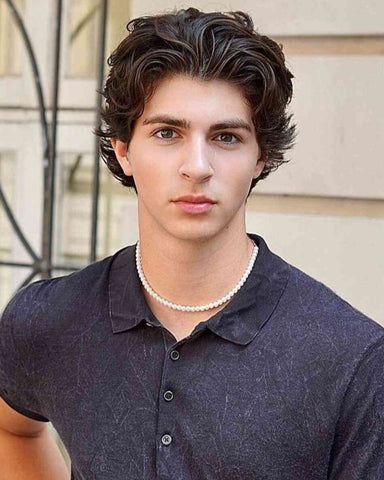

Bald Fade Mullet: The Complete 2026 Guide to the Boldest Cut in Barbershops
The bald fade mullet is having a real moment. It takes the rebellious, business-in-front-party-in-back energy of the classic mullet and pairs it with the sharpest fade technique in barbering: the bald fade. The result is a cut that looks deliberate, modern, and hard to ignore.
If you’re searching for a haircut that stands out without looking like you tried too hard, this guide covers everything: what the cut actually is, who it suits, how to ask for it, and how to keep it looking sharp between visits.
What Is a Bald Fade Mullet?
A bald fade mullet combines two distinct elements into one cohesive style:
- The fade: hair is tapered down to skin (bald) around the sides and back, usually starting low near the ear and neckline.
- The mullet: length is preserved on top and left longer at the back, creating the signature short-front, long-back silhouette.
You’ll also hear this cut called a mullet bald fade, bald mullet fade, or bald head mullet fade. All of these refer to the same core idea, just phrased differently depending on where you’re searching.

Why This Haircut Is Trending
A few reasons this style keeps showing up in search trends and on barbershop mood boards:
- It’s low-maintenance where it counts. The bald sides need touch-ups every 2–3 weeks, but they don’t require daily styling.
- It photographs well. The contrast between skin and hair reads clearly in photos and on camera, which matters in a social-media-driven grooming culture.
- It’s genuinely versatile. With the right fade height, this cut works for casual, athletic, and even semi-formal settings.
- It’s a throwback with an edge. The mullet nods to ’80s and ’90s style, while the bald fade keeps it firmly in 2026.
Bald Fade Mullet Variations
Not every bald fade mullet looks the same. Here are the most common variations barbers are asked for right now.
Low Bald Fade Mullet
The fade starts low, just above the ear, leaving more hair coverage on the sides. This is the most subtle version and works well for first-timers or more conservative workplaces.

High Bald Fade Mullet
The fade starts higher, closer to the temple, creating maximum contrast with the top and back length. This version reads bolder and more editorial.

Mullet With Bald Fade and Design
Some clients add a shaved line, part, or geometric pattern into the fade transition zone for extra detail. This works best with a barber experienced in freehand design work.

Curly or Textured Bald Fade Mullet
For clients with naturally curly or coily hair, the top and back length is left to showcase natural texture, while the sides stay tightly faded. This variation is popular because it lets natural hair patterns do most of the visual work.

Is a Bald Fade Mullet Right for You?
This cut isn’t one-size-fits-all. A few honest considerations before you book:
- Face shape: Oval and square face shapes tend to handle the contrast well. Rounder face shapes can still pull it off, but a slightly longer top helps balance proportions.
- Hair type: Straight and wavy hair show the mullet’s shape clearly. Curly and coily hair add volume and texture that can make the cut look even more distinct.
- Lifestyle: If you’re comfortable with visiting a barber every few weeks to maintain the fade line, this cut will reward you. If you prefer haircuts you can ignore for two months, the fade will grow out unevenly and lose its sharpness faster than the length on top does.
- Workplace norms: Some industries are more relaxed about bold grooming choices than others. It’s worth a quick gut check on your workplace culture before committing.
How to Ask Your Barber for a Bald Fade Mullet
Communication makes or breaks this cut. Bring these details to your appointment:
- Fade height: low, mid, or high. This changes the whole look dramatically.
- Top length: how much length you want to keep on top, usually measured in guard sizes or inches.
- Back length: the mullet’s defining feature. Decide how long you want the back before you sit down.
- Skin fade or fade-to-a-guard: confirm you specifically want bald skin, not just a tight fade to skin’s edge.
- Reference photos: even with the right words, a photo removes ambiguity. Bring two or three from different angles.
A good barber will also check your hair growth pattern and cowlicks before cutting, since these affect how the mullet lays at the back.
Maintaining Your Bald Fade Mullet
The upkeep routine is what separates a sharp bald fade mullet from a grown-out, muddy one.
Fade Touch-Ups
Plan on a barber visit every 2–3 weeks. Skin fades grow out faster than any other fade style because there’s no length buffer. Even a few millimeters of regrowth is visible against bare skin.
Daily Styling
- Use a lightweight pomade or texturizing paste on top to define movement without weighing hair down.
- Avoid heavy waxes on the back length, since they can make the mullet look greasy rather than styled.
- A blow dryer with a diffuser attachment helps curly or wavy textures hold shape longer.
At-Home Care Between Visits
- Trim visible neckline growth yourself with clippers if your barber shows you the right guard length.
- Use a boar-bristle brush to keep the top section trained in one direction, which helps it fall naturally as it grows.
- Deep condition the longer back section weekly. It’s more prone to dryness and split ends since it grows out longer between cuts.
Bald Fade Mullet vs. Other Mullet Styles
| Style | Sides | Best For |
| Bald fade mullet | Skin-close fade | Maximum contrast, bold statement |
| Taper mullet | Gradual taper, no skin | Softer, more traditional look |
| Undercut mullet | Short but not faded | Edgier, less barbershop-dependent |
| Curly mullet | Natural texture, minimal fade | Low-maintenance, texture-forward |
If you’re deciding between these, the bald fade mullet is the right call when you want the sharpest possible contrast and don’t mind frequent touch-ups.

Frequently Asked Questions
Does a bald fade mullet suit thin hair?
Yes, though thin hair on top may need texturizing products or a slight perm to add volume and prevent the top from looking flat against the sharp fade.
How long does the back need to be to count as a mullet?
There’s no strict rule, but most barbers consider anything past the collar or nape a true mullet length. Shorter back lengths lean more toward a “modern mullet” or “mid mullet.”
Will a bald fade mullet work for curly hair?
Curly hair actually pairs very well with this cut. The volume on top and back balances the tight sides, and curls tend to hide small fade imperfections between touch-ups.
How often do I need a haircut to maintain it?
Every 2–3 weeks for the fade. The top and back length can go longer between full trims, usually 6–8 weeks, depending on how much length you want to maintain.
Is a bald fade mullet appropriate for work?
It depends on your workplace. Low bald fade mullets with moderate back length tend to read more professional than high-fade, extra-long versions.
Can I go straight from a regular mullet to a bald fade mullet?
Yes, this is actually one of the more common barbershop requests. Your barber will fade the sides down to skin while keeping the existing top and back length intact.
Final Thoughts
The bald fade mullet works because it commits fully to contrast: skin-tight sides against deliberate length up top and in back. It’s not a subtle haircut, and that’s the point. Whether you go low-fade for something wearable day-to-day or high-fade for maximum impact, the key to pulling it off is clear communication with your barber and consistent upkeep between visits.
If you’re ready to try it, bring reference photos, be specific about fade height and length, and find a barber who fades regularly. Not every stylist works with skin fades often enough to nail the technique on the first try.
Have questions about maintaining your bald fade mullet or finding the right barber? Explore more grooming guides on mulletgrooming.com.